1 Start with the shape and installation orientation
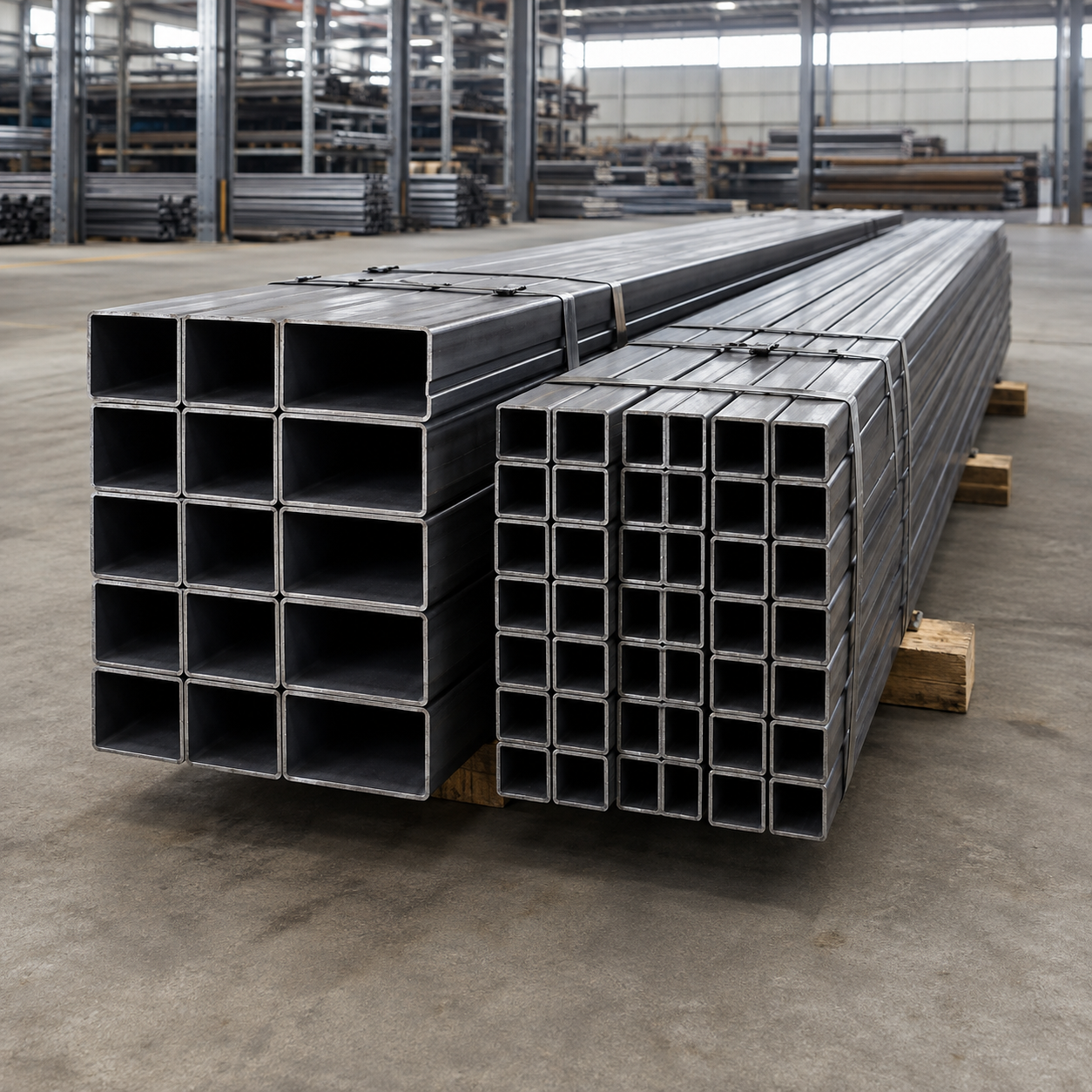
ZSJH converts structural hollow sections into marked project components with coordinated lengths, end geometry, holes and attached plates. The closed profile provides material around the section perimeter and suits engineered columns, braces and tubular frames. Connection preparation and assembly grouping allow contractors to receive members matched to the installation drawings.
Profile | Geometry and typical uses | Ordering focus |
Square Hollow Section square | Equal nominal dimensions in two principal directions; columns, frames and architectural supports. | Side dimensions, wall thickness, corner radii and plate orientation. |
Rectangular Hollow Section rectangular | Different strong and weak axes; beams, edge members and platform frames. | Depth/width orientation, wall thickness and connection-face designation. |
Circular Hollow Section circular | Same nominal geometry about centroidal axes; tubular braces, trusses and canopies. | Outside diameter, wall thickness, intersection cuts and node angles. |
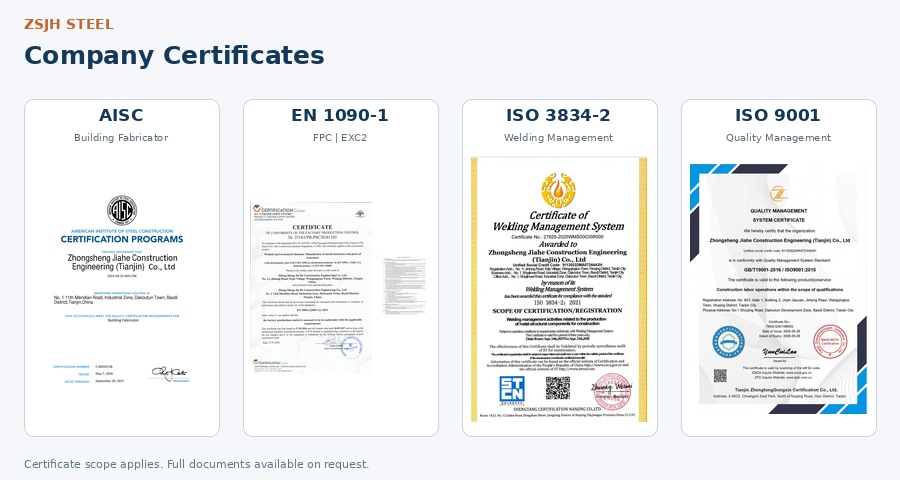
ZSJH Published qualification materials include AISC certification, TÜV welding-related certification, ISO 9001, CE and EN ISO 3834 documents; the current certificate holder, validity and scope are checked for the order. Project inspection by SGS, BV or TÜV can be arranged separately.
2 Select a structural tube specification
Q235B and Q355 can be reviewed with the specified tube product standard; Q390 requires confirmation of production route and availability. For overseas projects, specify the complete hollow-section product standard and grade: for example ASTM A500/A1085 or EN 10210/EN 10219 with the required S275/S355 designation and suffixes. A plate grade alone is not a complete tube specification; hot-finished and cold-formed routes are identified separately.
Material substitutions require approval after reviewing section dimensions, wall thickness, strength, toughness, chemistry, weldability and design assumptions. ZSJH can submit material documentation; similar grade names do not establish equivalence.
Size information | What to confirm |
Section dimensions | SHS/RHS outside side dimensions or CHS diameter, corner geometry and nominal wall thickness. |
Wall thickness | Original page reference approximately 1–30 mm, section-dependent; this is not a promise that every section/thickness combination is available. |
Member geometry | Cut length, end angle, slots, holes, camber if specified and permitted dimensional
tolerances. |
3 Resolve the node before closing the section
Closed sections need deliberate access for assembly and inspection. Bolted end plates and gussets are possible; through-bolts, sleeves, blind fasteners or internal diaphragms are used only when designed. The connection engineer checks local tube-wall behavior and the load path. Plate position, bolt clearance and welding access are coordinated before cutting.
Welded end plates, slotted gusset connections, cap plates, saddles and shaped CHS ends can be prepared to approved details and process feasibility. Weld type and size follow the connection design and qualified procedure; visual inspection and specified NDT are selected for the joint. Cap plates and seal welds do not automatically establish watertightness or a pressure-rated product.
4 Plan internal protection and maintainable drainage
For hot-dip galvanizing, every enclosed compartment needs approved venting and drainage coordinated with the galvanizer’s dipping orientation. Never send sealed cavities for dipping. Review hole sizes/locations, internal diaphragms, end plates and interconnecting passages before fabrication; do not assume one external hole serves every internal compartment. The coating standard and acceptance are agreed, such as ISO 1461 or ASTM A123 as applicable.
For painted members, specify blast preparation, coating layers, dry-film thickness and treatment of accessible internal surfaces. External paint does not automatically protect an inaccessible cavity. During service, keep designed drains open, inspect caps and welds for damage, check for water traps and repair coating defects. Do not seal intentional vent/drain holes without engineering and coating review.
5 Choose the delivery package around your assembly
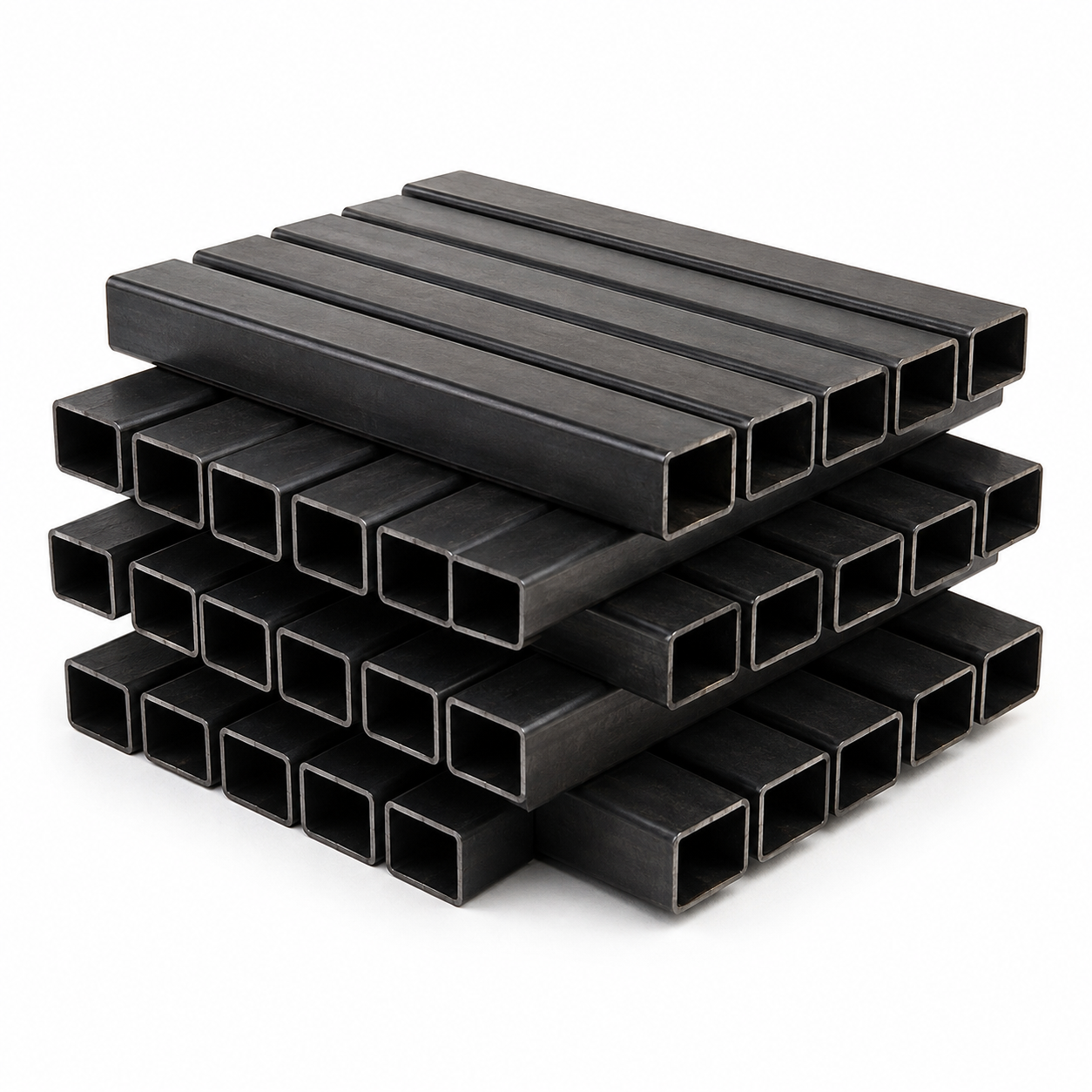
Application | Package emphasis |
Columns and building frames | Base/end plates, erection orientation and beam/bracing interfaces. |
Roof trusses and canopies | Chord/web identification, node angles, shaped ends and trial fit where specified. |
Equipment and service platforms | Frame corners, support brackets, bolted access and local reinforcement. |
Facade and entrance supports | Visible weld treatment, attachment coordinates and agreed appearance finish. |
Outdoor agricultural or utility structures | Exposure-based protection, drainage and inspectable connections. |
6 FAQ
Can structural hollow sections be used as building columns?
Yes. SHS, RHS and CHS profiles can be used for columns when their dimensions, material grade and wall thickness are selected according to the structural design.
Which profile is best for a steel frame?
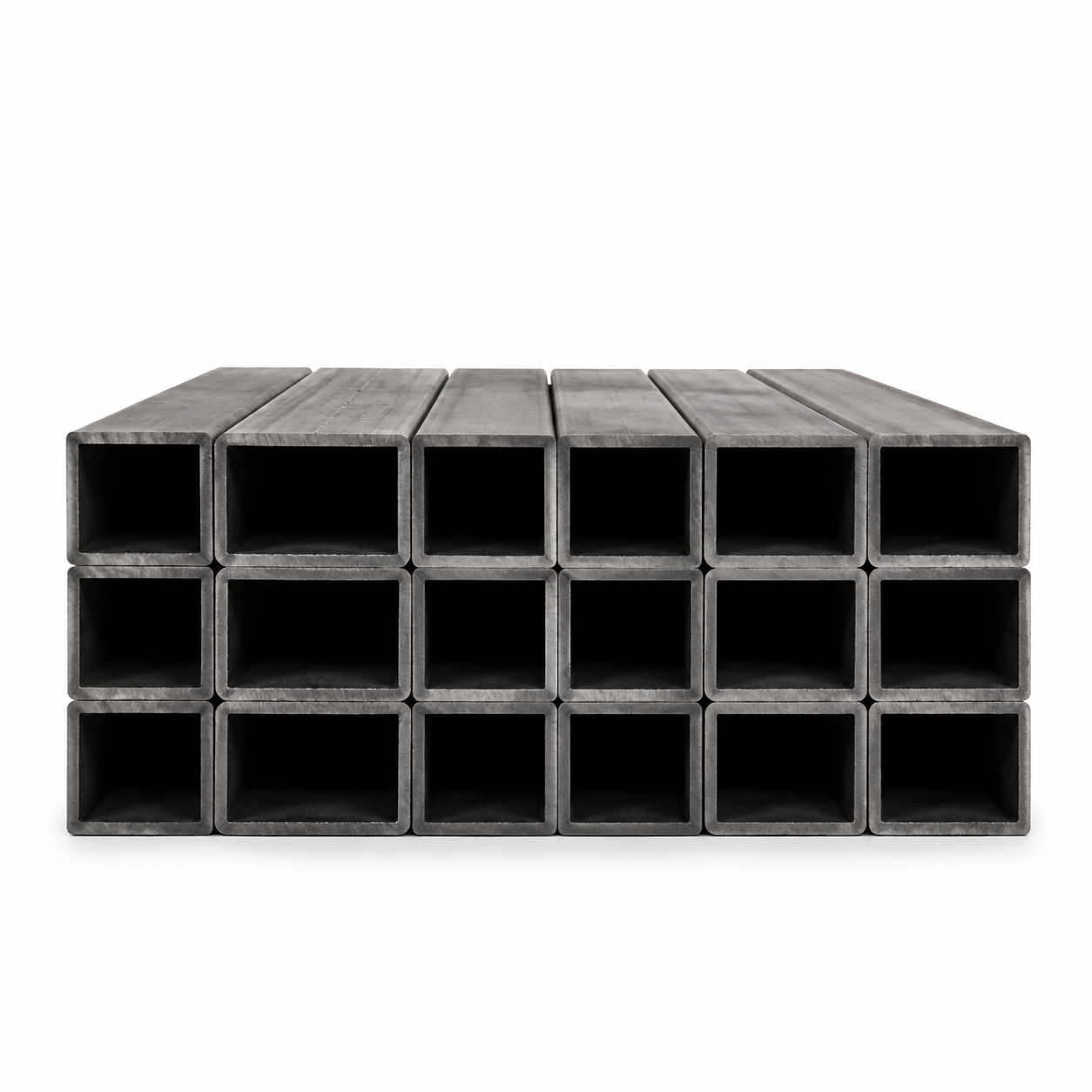
SHS is commonly selected for columns and balanced loading, RHS for beams and directional bending, and CHS for torsional or exposed structural applications.
Can you manufacture products according to our drawings?
Yes. We can review drawings and provide cutting, drilling, welding, surface treatment and component assembly services.
Are galvanized products suitable for welding?
Galvanized hollow sections can be welded using appropriate procedures. However, many projects complete the welding before hot-dip galvanizing to achieve more consistent corrosion protection.
Can you supply different lengths in one order?
Yes. Multiple fixed lengths can be produced and marked according to the approved cutting list.
How do you control dimensional accuracy?
We inspect external dimensions, wall thickness, length, straightness, corner shape and hole positions according to the agreed requirements.
7 CTA
Send ZSJH your section schedule, node drawings and finish requirements for a coordinated component quote.
Button: Quote My Tube Components

 English
 العربية
 Français
 Русский
 Español
 Português
 Deutsch
 italiano
 日本語
 한국어
 Nederlands
 Tiếng Việt
 ไทย
 Polski
 Türkçe
 አማርኛ
 ພາສາລາວ
 ភាសាខ្មែរ
 Bahasa Melayu
 ဗမာစာ
 தமிழ்
 Filipino
 Bahasa Indonesia
 magyar
 Română
 Čeština
 қазақ
 हिन्दी
 فارسی
 Kiswahili
 اردو
 Gaeilge
 Māori
 Hausa
 Igbo
 Kurdî
 Lëtzebuergesch
 ਪੰਜਾਬੀ
 Runasimi
 Yorùbá
 isiZulu


