:sales@zsjhsteel.com WhatsApp:+86-15122582058


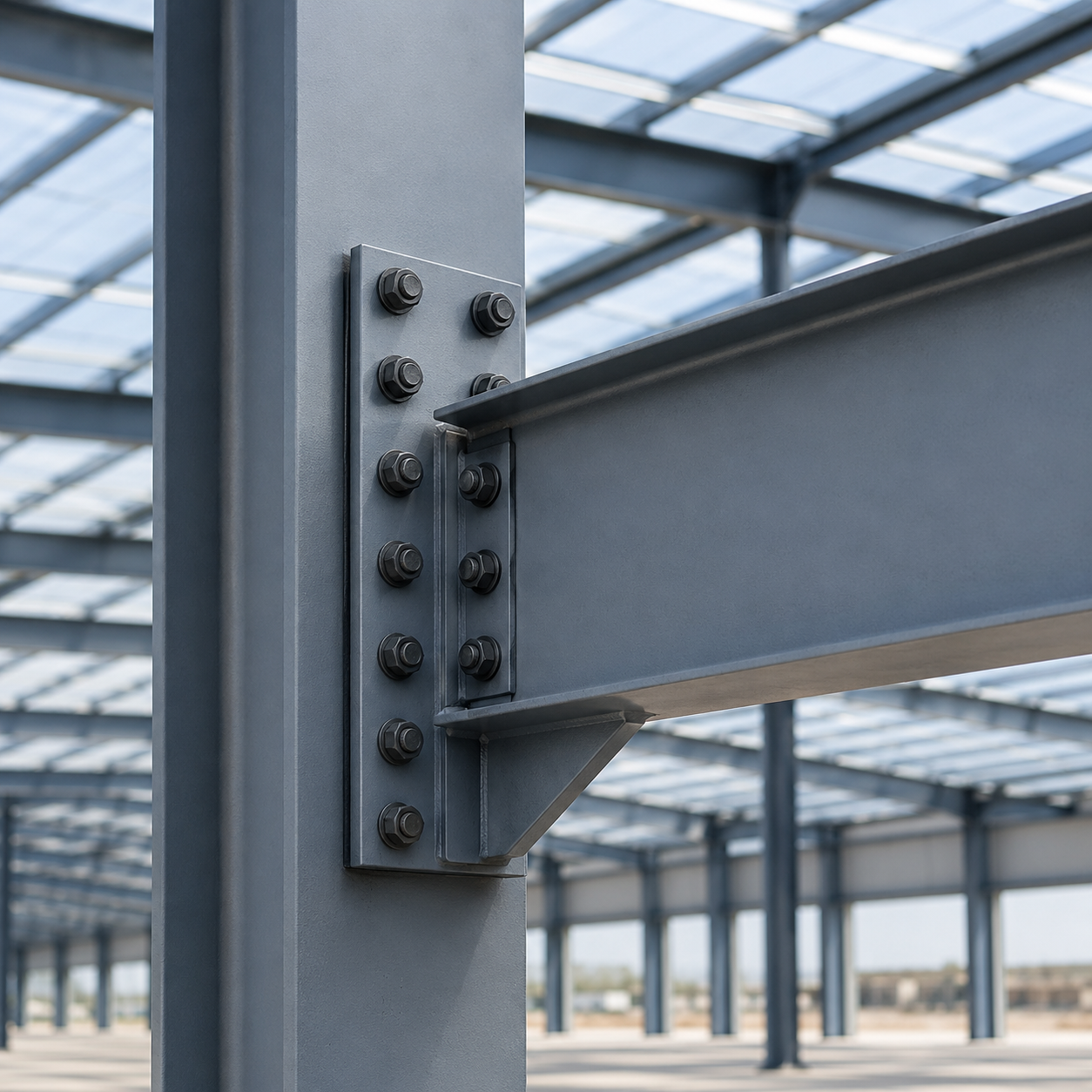


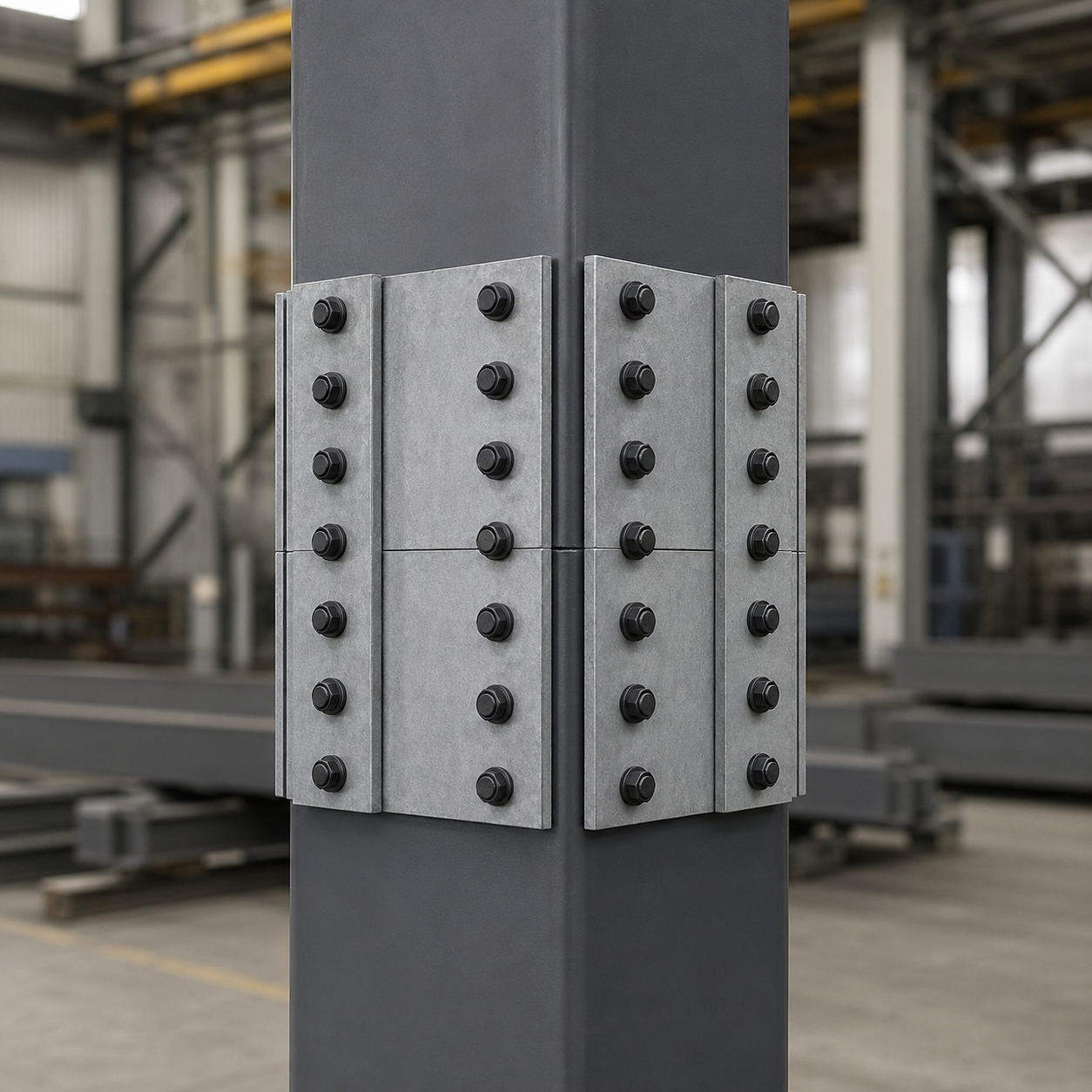


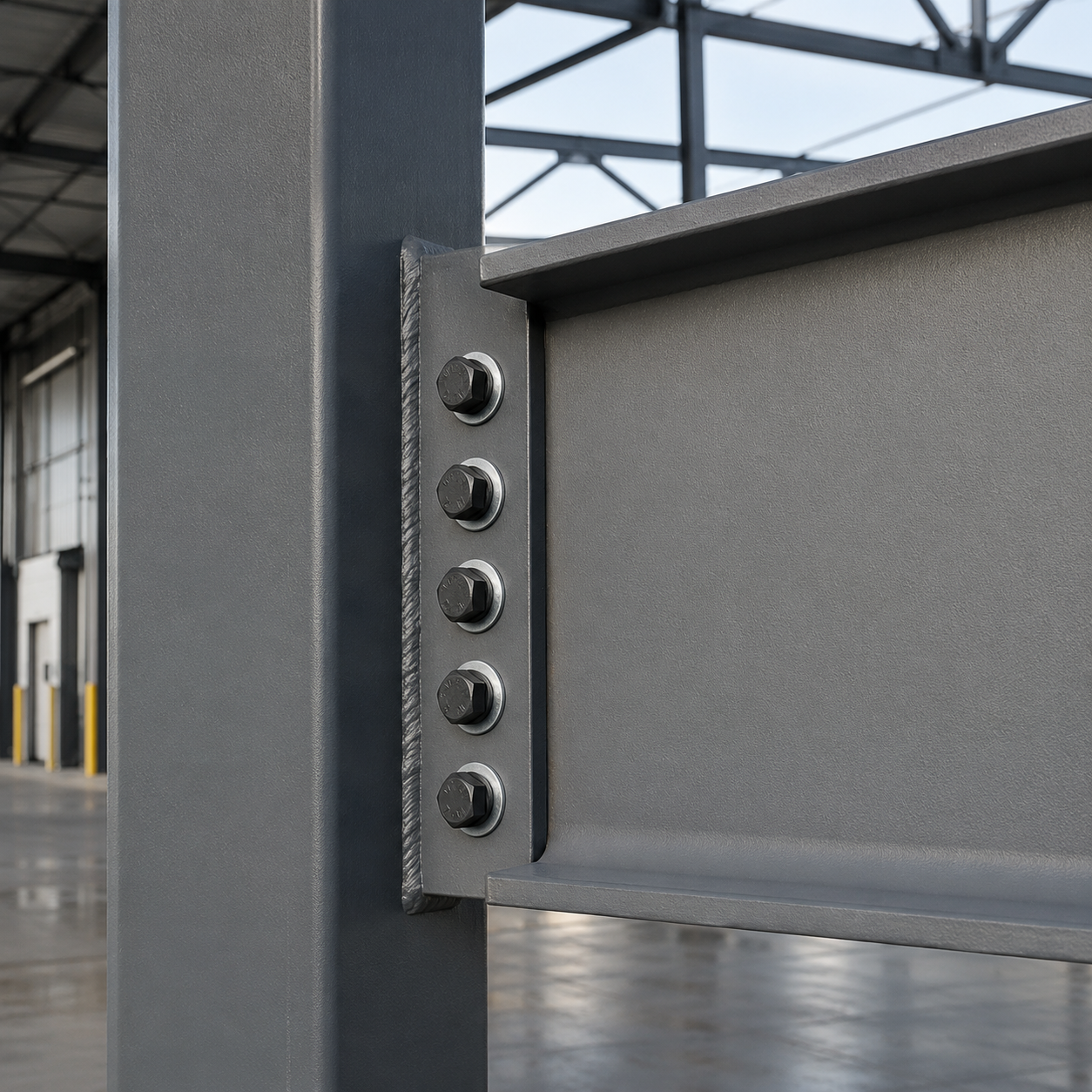

ZSJH Steel manufactures connection plates for the joints that bring steel buildings together. From beam interfaces to column splices and bracing nodes, our products are fabricated to approved connection details, with configurable plate shapes, hole patterns, welded features and protective finishes.
ZSJH


A steel connection plate is more than a cut piece of metal: it is a defined component within a structural joint. Its dimensions and preparation must correspond with the members, fasteners and welds shown in the project drawings.
ZSJH Steel supplies made-to-drawing plates and plate assemblies for industrial steelwork. Buyers can specify components for a single connection type or combine several joint details within a building package. Each item is linked to its part reference so that dimensions, quantities and supply conditions can be reviewed clearly.
Our focus is on translating confirmed connection details into fabricated components. Whether the plates will be incorporated into beams in a fabrication shop or supplied loose for an approved site assembly, the delivery scope is agreed before production.
End plates and beam connection plates are prepared to match the specified member profiles and connection arrangement. Hole locations, plate extensions and welded attachments follow the approved detail.
These components can be included in steelwork packages for warehouse frames, workshop buildings and mezzanine structures.
Splice plates are used where separate steel member segments meet. ZSJH Steel can fabricate the required plate sets with matching part references and quantities, according to the splice drawings.
Specify which plates belong to each assembly, together with any orientation or identification requirements.
Gusset plates and custom node plates accommodate the member arrangement shown in the bracing or truss design. Triangular, rectangular and irregular profiles can be reviewed for fabrication.
These products suit project packages involving roof trusses, wall bracing and other engineer-designed steel framing.
Plate geometry is based on the connection detail, allowing different member sizes and joint arrangements to be addressed within the confirmed fabrication scope.
Loose plates, welded assemblies and associated fasteners can be identified separately in the quotation, helping buyers understand what is included.
Orders can combine recurring plate types with individually detailed components, using a part schedule to define quantities.
Surface treatment can be specified alongside the fabrication requirements, with connection-specific restrictions reviewed before coating.
| Parameter | Project-Based Options |
|---|---|
| Plate category | End plates, splice plates, gusset plates and custom joint plates |
| Steel material | Grade selected in the approved specification |
| Thickness | As required by the connection design |
| Profile | Rectangular, triangular or drawing-defined shape |
| Holes | Diameter, spacing and approved hole type per drawing |
| Welded features | Included where detailed and agreed |
| Surface treatment | Uncoated, primed, painted or galvanized, subject to confirmation |
| Component identification | Part numbers and assembly references |
| Delivery form | Individual components or agreed assemblies |
The agreed inspection scope can address plate dimensions, hole locations, edge condition, component quantities and identification. Weld inspection applies where welding is included, and surface treatment checks depend on the specified finish.
Material documentation, inspection reports and any additional testing should be identified during the quotation stage so that the supply package reflects the project’s acceptance requirements.
A connection plate has a defined role in a joint and is fabricated with the geometry, holes or welded features required by that detail. General steel plate is the starting material rather than a complete connection component.
No. Components are manufactured for specified member sizes and joint details. A plate from one project should not be assumed suitable for another without engineering review.
They can be manufactured to coordinated drawings for those members. The buyer should provide the relevant interface dimensions, hole layouts, tolerances and current drawing revisions before fabrication is confirmed.
They may be specified for outdoor projects with an appropriate material and corrosion-protection system. Finish selection must reflect the exposure conditions and the approved connection requirements.
The delivery condition depends on the order. Some items are supplied for further shop assembly, while others are prepared for the specified site connection. Installation must follow the approved drawings and project procedures.
Send ZSJH Steel your joint drawings, component list, material specification and delivery requirements. Identify which items should be supplied loose, assembled or finished, and we will review the scope for quotation.
Request a Quote for Your Beam, Column and Bracing Connection Plates.


