Heavy Steelwork for Jinan Metro
ZSJH has completed heavy structural steel fabrication for a Jinan Metro project in Shandong, China, with cruciform steel columns as the focus of this case study. The production record covers large built-up members, studded column faces, stiffening details, workshop welding and transport preparation.
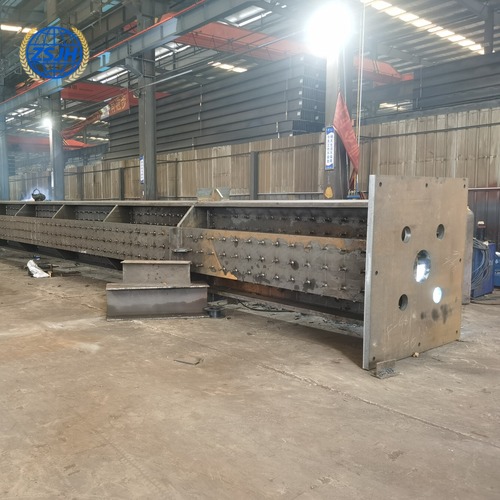
Fig 1 Heavy Cruciform Steel Column for the Jinan Metro Project
These columns bring together several manufacturing tasks in one member. The main section must maintain its geometry along its length, while stiffeners, studs and end details need to occupy their specified positions. The project illustrates how heavy steel fabrication depends on coordinating the main section with numerous attached components.
Understanding the Cruciform Column
A cruciform column has a cross-shaped section, with steel elements arranged in two perpendicular directions. Depending on the design, the section can be assembled from plates or suitable I- and T-section components. Flanged cruciform sections are used in applications where compression and bending about both principal axes require consideration.
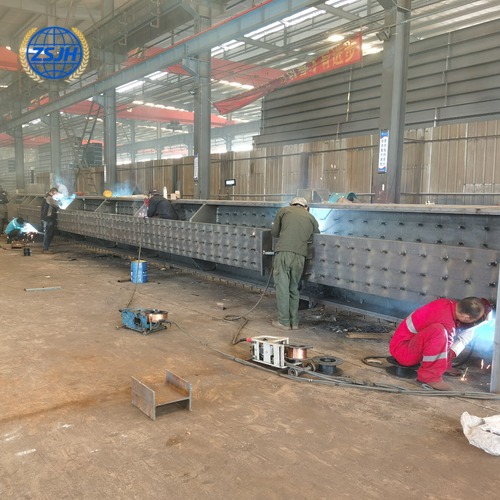
Fig 2 Welded Studs and Stiffeners on a Cruciform Steel Column
For the Jinan Metro project, the visible fabrication details include long built-up columns, projecting flange elements, intermediate stiffeners, rows of headed studs and substantial end plates. The combination of a large assembly and extensive welded attachments makes this a useful example of heavy structural steelwork.
The cross-shaped arrangement alone does not determine a column’s capacity. Section geometry, material grade, member length, restraint and connection details remain part of the structural design. Fabrication translates that design into accurately positioned steelwork.
Fit Up and Welding
Cruciform fabrication starts with establishing the relationship between the intersecting steel elements. Alignment, squareness and support during assembly matter because deviations can accumulate along a long member. Stiffener locations and weld access also need consideration before the assembly becomes difficult to reach.
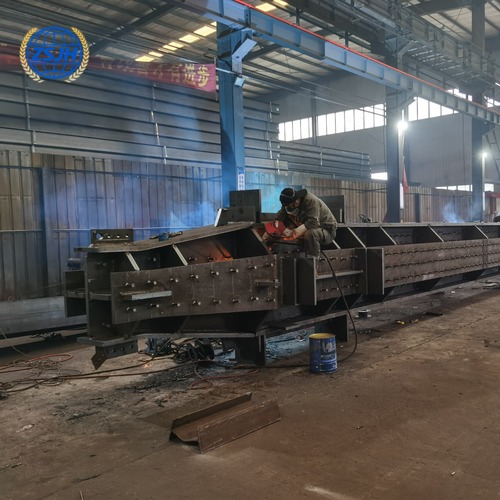
Fig 3 Workshop Welding of a Heavy Built Up Steel Column
The workshop photographs show welding around the built-up members and their attachments. For heavy welded assemblies, suitable welding procedures, planned sequencing and checks for distortion are important production controls. The practical focus is on maintaining the intended section while completing both longitudinal welds and local details.
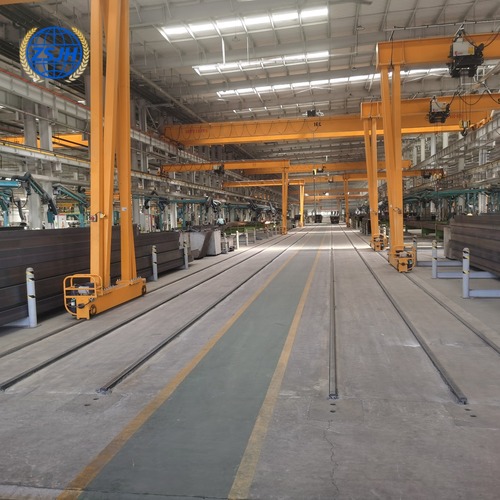
Fig 4 Workshop Overview for Structural Steel Fabrication
Rows of welded studs introduce another layer of coordination. Stud positions must be considered alongside stiffeners, end zones and other interfaces shown on the fabrication drawings. Where studs serve as shear connectors in composite construction, their layout forms part of the steel-to-concrete interface design.
From the Workshop to Dispatch
The project record follows the columns through loading inside the workshop and onward transport preparation. Long, heavy members need suitable lifting arrangements, support positions and load restraint to protect the main section and projecting attachments.
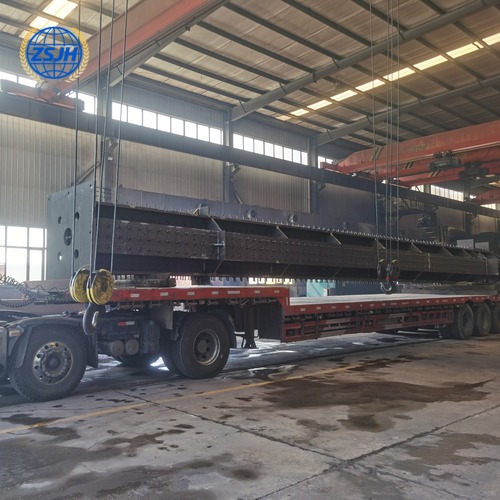
Fig 5 Heavy Cruciform Steel Column Loaded onto a Trailer
Checks of member identification, end details, dimensions and shipment lists help connect factory delivery with site receiving and installation planning. For a fabrication buyer, this coordination is as relevant as welding capability: a completed member must also arrive identifiable and ready for the agreed next stage.
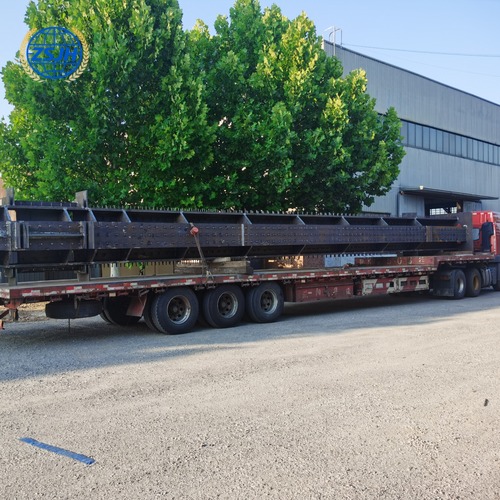
Fig 6 Heavy Steel Columns Prepared for Road Transport
ZSJH Fabrication Capability and Credentials
ZSJH offers drawing design and detailing, manufacturing, processing, packing and shipment through one coordinated service. With 20 years of industry experience and a professional design team, the company has undertaken overseas projects in Thailand, Italy and Guatemala. Its credentials include AISC certification, EN 1090 and CE-related certification, and qualifications covering design, manufacturing and processing, and inspection. Applicable scopes can be supplied for project review.
Send Your Heavy Steel Drawings
CTA button: Discuss Your Steelwork Package
Email: sales@zsjhsteel.com | WhatsApp: +86 151 2258 2058

 English
 العربية
 Français
 Русский
 Español
 Português
 Deutsch
 italiano
 日本語
 한국어
 Nederlands
 Tiếng Việt
 ไทย
 Polski
 Türkçe
 አማርኛ
 ພາສາລາວ
 ភាសាខ្មែរ
 Bahasa Melayu
 ဗမာစာ
 தமிழ்
 Filipino
 Bahasa Indonesia
 magyar
 Română
 Čeština
 қазақ
 हिन्दी
 فارسی
 Kiswahili
 اردو
 Gaeilge
 Māori
 Hausa
 Igbo
 Kurdî
 Lëtzebuergesch
 ਪੰਜਾਬੀ
 Runasimi
 Yorùbá
 isiZulu


