1 From heavy members to coordinated fabrication packages
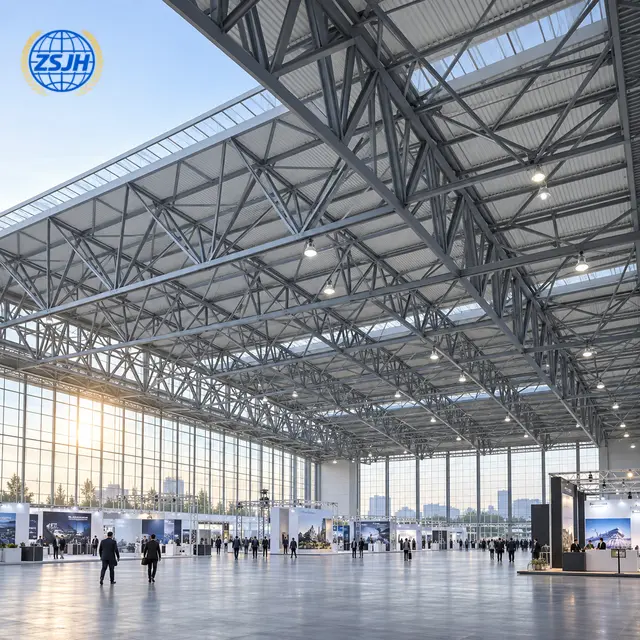
ZSJH fabricates load-bearing members and welded assemblies for industrial plants, equipment platforms and construction frames. The package can include built-up girders, box or H columns, trusses and support frames. Thickness, individual weight, joint restraint and assembly dimensions determine the manufacturing plan; “heavy” is not a universal load rating. Drawing-based coordination helps move complex fit-up work into the workshop and reduce unresolved interfaces at site.
2 What is included in the assembly
Component group | Typical supply and function |
Primary members | Built-up girders, heavy H/box columns, trusses and equipment-bearing frames transfer the principal design loads. |
Secondary and connection parts | Braces, purlins/girts where included, tie members, end/splice plates, gussets and stiffeners complete the specified load path and interfaces. |
Fasteners and supports | Bolts, nuts and washers may be supplied as scheduled. Base plates and anchor templates can be coordinated; foundation anchors are a separate designed interface. |
Secondary members and foundation items are included only when listed in the BOM. A welded assembly order does not automatically include a complete building, crane, enclosure or erection service.
3 Material and drawing decisions before cutting
Q235B is available for design-specified general structural use; Q355 and Q390 can be reviewed for higher-strength members. S275/S355 or ASTM A36/A572 Grade 50 may be specified for suitable product forms. Confirm plate thickness, toughness class, delivery condition and material certificates. National grades are not automatic equivalents: a replacement is submitted to the project engineer for approval after checking strength, chemistry, weldability and other required properties.
Customize member depth, flange width, plate thickness, length, camber, holes, stiffeners and brackets to approved drawings. Send PDF/DWG files and a BOM; IFC or Tekla information can assist coordination. Maximum plate thickness, assembly weight and overall size are confirmed after production and transport review.
4 Welding dimensional control and acceptance
Thick joints require a defined groove, root opening, access and fit-up sequence. SAW, FCAW or GMAW is selected through the applicable WPS; preheat and interpass limits follow the approved procedure, not a generic temperature. AWS D1.1, GB 50661 or a project-specified system is agreed together with the necessary procedure and personnel qualifications.
End-plate and flange/web splices can use bolted connections; bolt grade, holes and tightening method follow the drawings. Welded connections are checked for weld size, penetration and accessibility. Anchors normally connect base assemblies to concrete rather than joining beams to each other.
Acceptance stage | Specific controls |
Before welding | Material/heat identification, bevels, plate alignment, gaps and tack-weld arrangement. |
During fabrication | Welding sequence, distortion measurements, straightening and attachment coordinates. |
Before release | Length, diagonals, camber, hole alignment, bearing/interface positions and specified trial assembly. |
Weld and finish records | Visual inspection and specified UT/MT/PT/RT; blast grade, paint dry-film thickness or agreed galvanizing acceptance. |
5 Where these packages are used
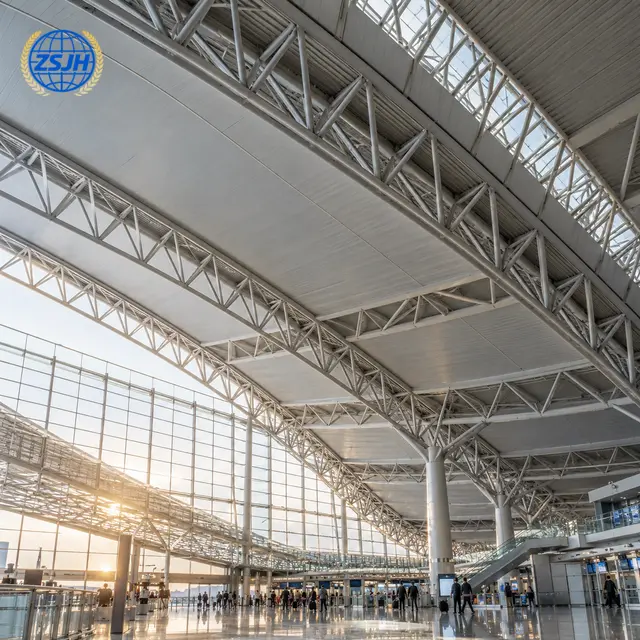
Heavy manufacturing workshops use columns and crane-support interfaces; process plants use equipment-bearing frames; power and energy facilities use platform and equipment supports; logistics buildings use long-span primary members; mining and bulk-material facilities use conveyor or transfer-support structures. Each use requires its own load, fatigue, corrosion and access requirements.
6 FAQ
Can Q390 replace Q355 or an overseas grade?
Only after the project engineer approves the material change and any necessary redesign. Higher strength does not remove stiffness, fatigue or connection checks.
Can you deliver a complete welded module?
Possibly. The module weight and dimensions must suit workshop handling, coating, transport and site lifting. Otherwise engineered site splices are agreed.
Can we request full penetration welds and UT?
Yes, where specified by the joint design and feasible to produce and inspect. Confirm weld details, test coverage, acceptance level and witness points before pricing.
Are secondary members and anchors included?
Only the items listed in the quotation and BOM are included. Bracing, purlins, fasteners and foundation anchors should each be identified.
7 Start with your fabrication package
Send ZSJH your drawings, BOM and inspection requirements for a tailored heavy fabrication quote.
Button: Request a Fabrication Quote

 English
 العربية
 Français
 Русский
 Español
 Português
 Deutsch
 italiano
 日本語
 한국어
 Nederlands
 Tiếng Việt
 ไทย
 Polski
 Türkçe
 አማርኛ
 ພາສາລາວ
 ភាសាខ្មែរ
 Bahasa Melayu
 ဗမာစာ
 தமிழ்
 Filipino
 Bahasa Indonesia
 magyar
 Română
 Čeština
 қазақ
 हिन्दी
 فارسی
 Kiswahili
 اردو
 Gaeilge
 Māori
 Hausa
 Igbo
 Kurdî
 Lëtzebuergesch
 ਪੰਜਾਬੀ
 Runasimi
 Yorùbá
 isiZulu


