:sales@zsjhsteel.com WhatsApp:+86-15122582058






ZSJH


Project-Ready High Strength Structural Steel is supplied as processed and clearly identified components prepared for efficient site assembly. Instead of purchasing only raw plates or standard sections, customers can order cut-to-size, drilled, beveled, welded, coated and packaged structural parts according to approved fabrication drawings.
This supply method helps reduce on-site cutting, welding and material handling. It is suitable for modular buildings, industrial facilities, equipment platforms, warehouse extensions, energy projects and other structures requiring controlled fabrication and organized delivery.
Each component can be marked according to the drawing number, assembly sequence or installation area. Components are then packed by building zone, shipment batch or erection sequence to support faster identification and installation at the project site.
Cut-to-length high-strength steel plates
Fabricated columns and rafters
Welded H-shaped structural members
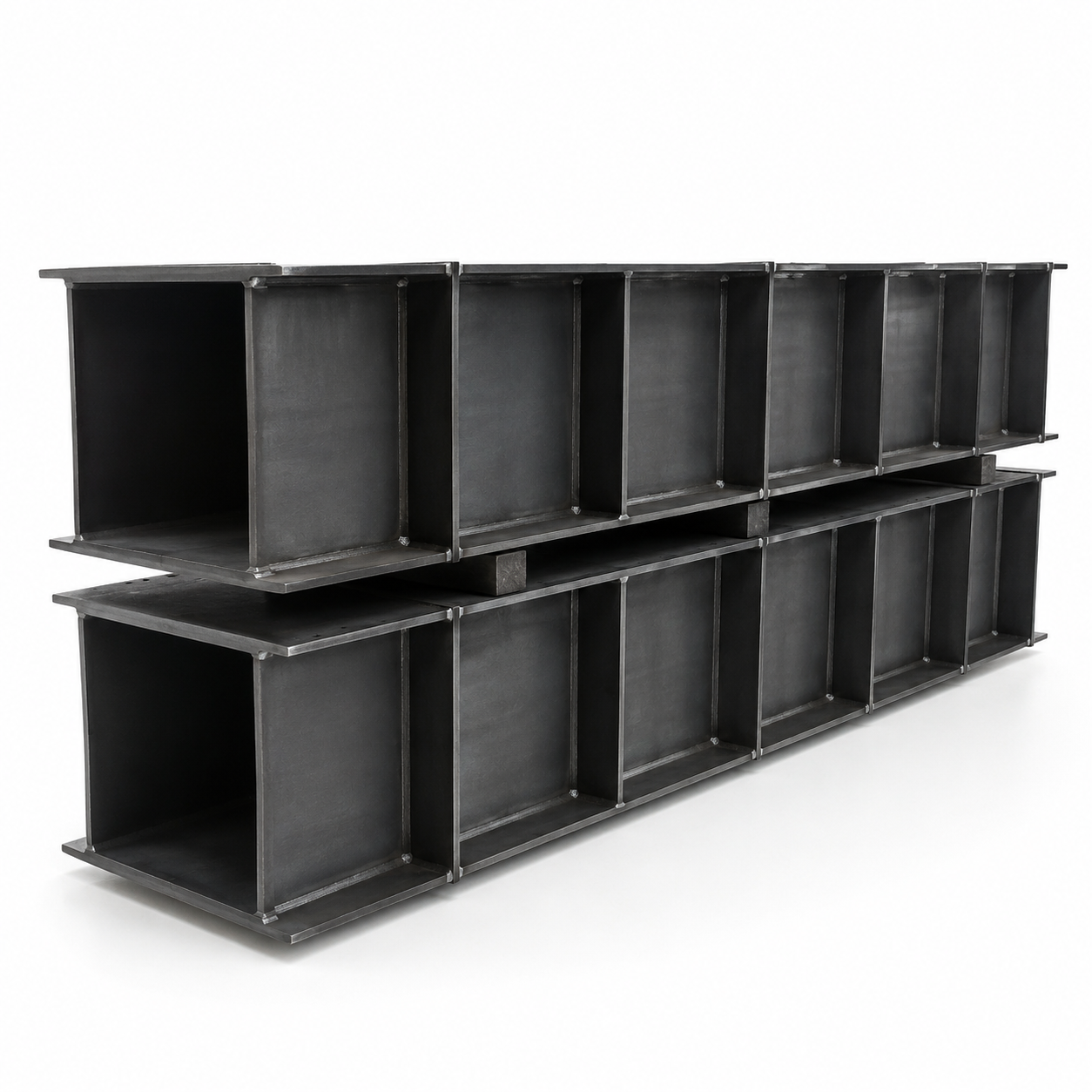
Box-section beams and columns
Connection plates and stiffeners
Base plates and end plates
Bracing components
Drilled structural sections
Preassembled frame modules
Customized installation-ready steel packages
Cutting, drilling, welding and surface preparation are completed under controlled factory conditions, reducing the amount of processing required at the construction site.
Every component can be marked according to the approved drawings, packing list and installation sequence.
Factory processing allows dimensions, hole positions, bevels and connection details to be inspected before shipment.
Steel components can be packed according to building area, construction phase or installation priority.
Drawing-based nesting and CNC cutting help improve material utilization and reduce unnecessary site waste.
Customers can purchase individual processed parts, complete structural members or an entire project package.
| Item | Supply Options |
|---|---|
| Typical Strength Class | 355–690 MPa |
| Product Forms | Plate, section, hollow section and fabricated component |
| Plate Thickness | 6–200 mm |
| Maximum Plate Length | According to material availability and shipping requirements |
| Component Type | Beam, column, brace, girder, plate or custom assembly |
| Hole Processing | CNC drilling, punching or project-specified processing |
| Edge Preparation | Square edge, V-bevel, double-V or customized bevel |
| Welding Method | Selected according to component design and material grade |
| Surface Preparation | Manual cleaning or shot blasting |
| Coating Options | Shop primer, zinc-rich primer or project coating system |
| Component Marking | Drawing number, assembly code or project identification |
| Packaging | Bundled, framed, palletized or container-ready |
Technical specification review
Fabrication drawing confirmation
Material certificate verification
CNC nesting and material cutting
Hole and bevel processing
Component assembly
Structural welding
Dimensional inspection
Nondestructive testing when required
Shot blasting and coating
Component marking
Export packaging and shipment
Our inspection process can include:
Raw material grade verification
Material certificate review
Plate thickness inspection
Cut-size measurement
Hole diameter and position inspection
Beam and column straightness checks
Assembly dimension verification
Weld appearance inspection
Optional ultrasonic or magnetic particle testing
Surface cleanliness inspection
Paint dry-film thickness measurement
Final component and packing-list verification
It means that the steel is processed into identifiable components according to project drawings. Cutting, drilling, welding, coating and marking can be completed before shipment.
Yes. We can manufacture components according to approved DWG, DXF, STEP or PDF drawings and technical specifications.
Shop drawing and detailing support can be provided based on the design drawings, connection requirements and agreed project scope.
Yes. Components can be grouped and packed according to building zone, floor, frame line, shipment batch or installation sequence.
Yes. Trial assembly can be arranged for complex frames, large connections or components requiring fit-up confirmation.
Components can be marked with project numbers, drawing references, member codes and installation sequences corresponding to the packing list.


