:sales@zsjhsteel.com WhatsApp:+86-15122582058


Views: 0 Author: Site Editor Publish Time: 2026-08-05 Origin: Site


To ensure the long-term durability, corrosion resistance, and high-quality performance of steel structures, professional surface preparation and coating procedures are strictly implemented during fabrication.
Before coating, steel components are treated by an automatic shot blasting machine to remove rust, mill scale, oil stains, and other surface contaminants. Shot blasting uses compressed air to accelerate steel shots at high speed onto the steel surface. Through impact and friction, rust, oxide scale, and impurities are completely removed, creating a clean surface with proper roughness to improve coating adhesion.
After shot blasting, the steel surface shall be thoroughly cleaned by vacuum equipment or compressed air to remove dust and steel particles. The treated surface should present a uniform metallic gray appearance.
After inspection and approval by quality control personnel, the first layer of primer coating should be applied within 4 hours to prevent secondary oxidation and ensure coating performance.
The primer coating is the first protective layer applied after surface preparation. Its main purpose is to improve corrosion resistance and enhance the bonding strength between steel and subsequent coatings.
1. Paint Preparation
Anti-corrosion primer shall be properly mixed before application. The viscosity, consistency, and dilution ratio should be strictly controlled to ensure uniform color, stable performance, and smooth application.
2. First Primer Application
During the first primer coating process, the spraying direction should remain consistent. The overlap areas should be smooth and uniform to avoid uneven coating thickness.
3. Spray Control
When spraying primer, operators should follow the principle of continuous movement and short spraying distance to prevent excessive paint accumulation, sagging, or uneven coating.
4. Second Primer Layer
After the first primer layer is completely dried, the second coating shall be applied. The spraying direction should be perpendicular to the previous layer to achieve a uniform coating thickness and better protection.
5. Component Identification
After coating is completed, steel components should be marked according to original identification numbers. For important components, additional information such as weight, center of gravity position, and installation marks should be indicated.
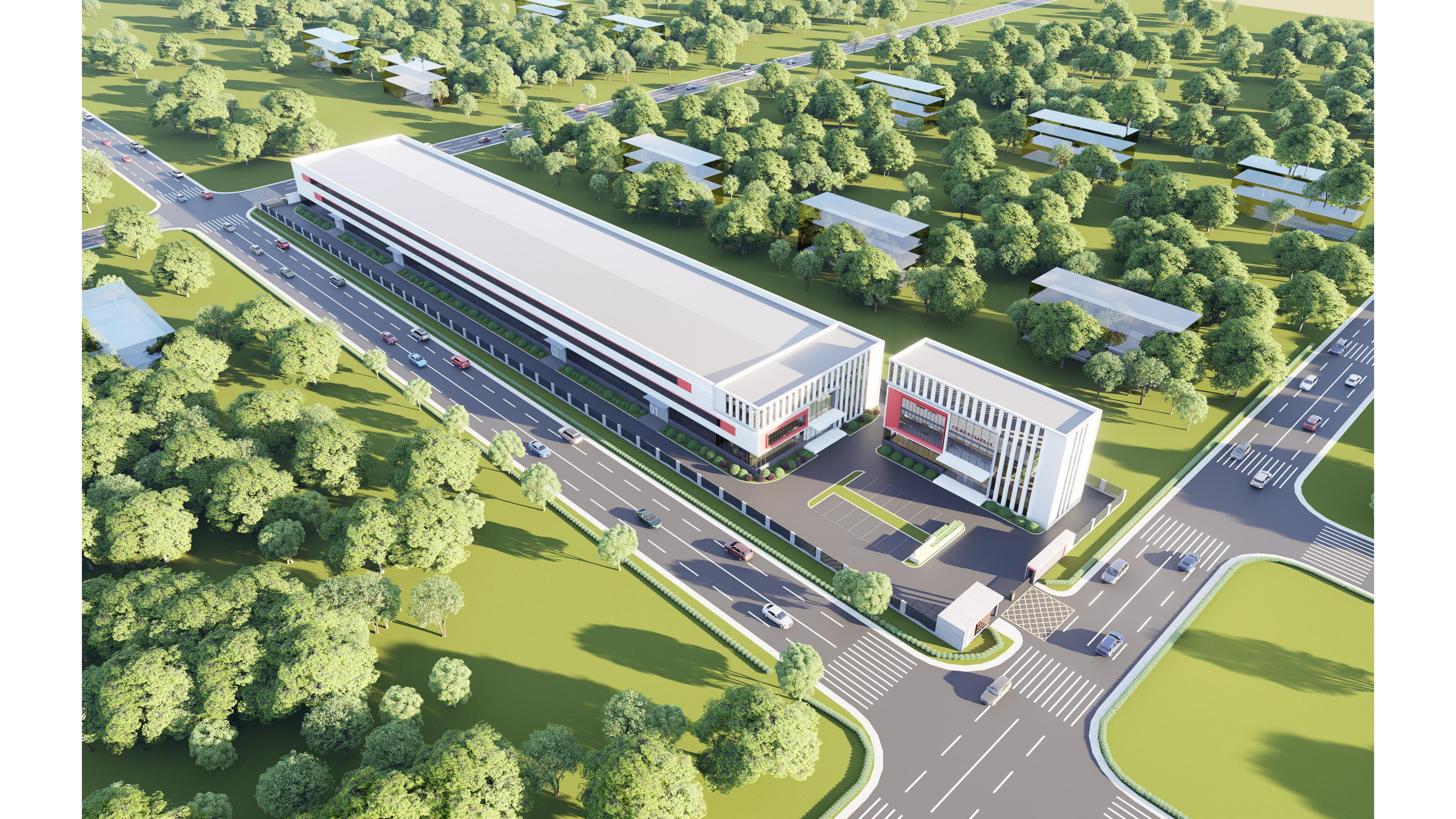
The topcoat provides additional protection against weather conditions, corrosion, and environmental impact while improving the appearance of steel structures.
1. Coating Compatibility
The topcoat material shall comply with design requirements. The compatibility between primer and topcoat must be confirmed to avoid coating failure caused by chemical reactions between different materials.
2. Surface Cleaning Before Painting
For steel structures requiring on-site topcoat application, the surface must be cleaned after installation. Dust, oil stains, welding residues, and other contaminants must be removed before painting.
3. Topcoat Preparation
The topcoat color should be consistent with design specifications. Before use, the paint must be fully mixed to ensure uniform color and stable viscosity. Proper adjustment of thinner should be made to prevent sagging, brush marks, or uneven surfaces.
4. Painting Method
During application, the topcoat should be continuously stirred. The painting direction and spraying method should follow the same standards as the primer coating process.
Steel structure coating shall only be carried out after fabrication quality inspection and approval. All components must meet required manufacturing standards before surface treatment and painting.
Before coating, steel surfaces must undergo shot blasting treatment to completely remove rust, oil, dust, and other contaminants.
The surface preparation grade shall meet the requirements of ISO 8501-1 / Sa 2.0 standard, ensuring proper surface cleanliness and coating adhesion.
After surface preparation, steel components should receive the first primer coating immediately. After curing, two layers of topcoat shall be applied unless fireproof coating is required.
The following areas shall not be painted:
High-strength bolt connection surfaces
Embedded steel surfaces inside concrete foundations
Areas within 50mm of full penetration welding joints requiring on-site welding
For steel members requiring fire protection, the selected fireproof coating must comply with applicable national and international standards.
Fireproof coating shall generally be applied after steel structure installation. Compatibility testing between fireproof coating and primer must be completed before application.
Strict quality inspection is performed after coating to ensure coating durability, appearance, and protective performance.
After steel structure painting, the coating surface should meet the following requirements:
Uniform color and consistent appearance
Smooth and bright surface finish
No wrinkles, cracks, bubbles, peeling, or paint lumps
No obvious coating defects
During and after coating operations, painted steel components must be properly protected from:
Dust contamination
Moisture exposure
Mechanical damage
Other external pollutants
Proper storage and handling measures should be taken before transportation and installation.
The thickness of the coating film shall be inspected using a professional digital coating thickness gauge.
During inspection:
Multiple measurement points shall be selected on each steel component.
Thickness values shall be recorded and analyzed.
The average coating thickness shall meet the project design requirements and applicable standards.
At ZSJH Steel Group, every steel structure project follows strict coating procedures, including:
✔ Automatic shot blasting surface preparation
✔ Professional anti-corrosion primer application
✔ Multi-layer protective coating system
✔ Coating thickness inspection
✔ Quality control before delivery
Through advanced surface treatment technology and strict inspection standards, we ensure that every steel structure achieves excellent corrosion resistance, long service life, and reliable performance for global construction projects.
Contact Us


